
B.C. Fishing Regions
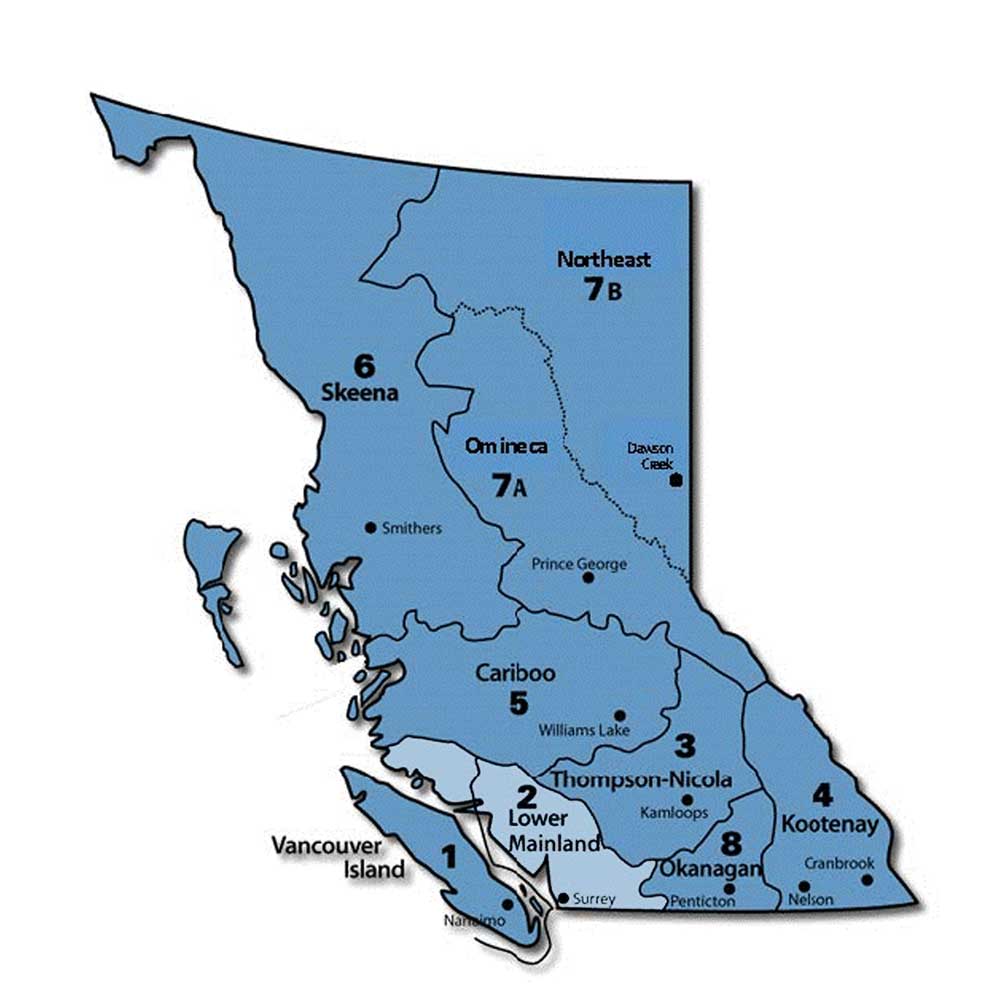
REGION 2
Lower Mainland & Fraser Valley
The Lower Mainland and Fraser Valley offer a variety of sport fisheries that can be done year-round. There are fisheries available for all age groups and skill levels. Some streams closer to Metro Vancouver are more utilized, while remote, uncrowded fisheries can easily be found without travelling much further.
Across Region Two, there are over twenty urban and semi-urban lakes that are stocked with catchable rainbow trout between March and October. Stocked with an average weight of 250g, these fish are suitable for those who are still learning how to fish. If stocked fish do not fancy you, then larger cutthroat trout, bull trout and kokanee are available in more remote and larger lakes.
Winter steelhead fishing attracts seasoned and determined anglers between December and April in several Fraser Valley streams. Five species of pacific salmon return to their natal streams between August and December, when both local and foreign anglers enjoy the best fishing this region offers.
Summer on the Fraser River is the ideal playground for the entire family, fish of all sizes from a miniature sculpin to a gigantic white sturgeon maybe connected. When both salmon and steelhead fishing are slow, one can experience hunting for coastal cutthroat trout and bull trout with light tackle.
Saltwater fishing is available throughout the year. In Burrard Inlet, Howe Sound, Gulf Islands, Chinook salmon can be caught by trolling from mid winter until late summer. Sockeye salmon fishing can be fantastic in August when millions of fish stage at the mouth of Fraser River. Coho salmon fishing can either be done from shore or a boat at the Capilano River mouth between July and September. Beach fishing for coho and pink salmon is available during certain time of the year near river mouths.
Fishing in Region 2
Durrance Lake, Mount Work Regional Park
Just a short drive from either Victoria or the ferry terminal in Sidney, Durrance Lake is an excellent fishing location for families who also want to include other activities such as swimming, picnicking and hiking on the same day. While categorized as an urban...

Coastal Cutthroat Trout
Like a pack of wolves in the forest, the illusive coastal cutthroat travel in schools along kelp beds, estuaries, bays, rivers and lakes. Characterized by two orange slashes under the jaw, these magnificent looking fish possess beauty that not many other species can...

Black Rockfish
Black rockfish is a rockfish species found in the coastal waters of British Columbia. Their primary habitat is kelp beds, where they feed on baitfish. Black rockfish can be targeted by fly fishing or jigging with artificial lures. They are easy to catch because they...

American Shad
American shad are anadromous and native to the East coast of North America. Due to introductions into the Sacramento and Columbia Rivers in the early 1900s, they are now found all along the West coast of North America. During the summer months, spawning adults can be...

General Fishing Etiquette
Unlike fishing regulations, etiquettes in recreational fishing are not rules that you are required to follow, however they are general guidelines that you are recommended to follow so that you and other users can have a positive fishing experience. Different...
How To Handle Your Catch
One of the highlights of sportfishing in British Columbia is the privilege of keeping some of your fresh catches to enjoy on the dining table. From battered halibut fillets to smoked salmon and trout, there are many tasty choices to spoil your palate. Beside knowing...
Catch and Release
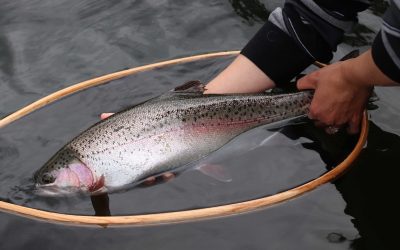
Although being able to keep your catches for a fine meal is what draws most of us to fishing, there are times when a fish is required to be released. If a fish is too small, protected, ready to spawn or if you have already retained your limit of fish, then you are...
Know Your B.C. Fishing Regulations
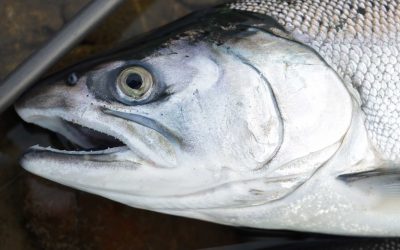
To fish in British Columbia, anglers need to know the fishing regulations that apply to the BC rivers, lakes and seas where they are fishing. Overwhelmed by the amount of fishing regulations that they are required to follow, newcomers to sportfishing in British...
Getting Your License
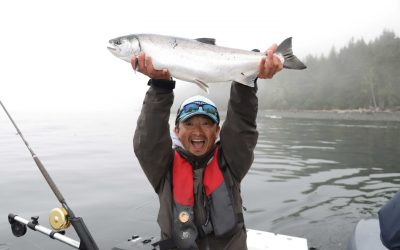
Before you start fishing in British Columbia, you must purchase and carry the correct fishing licences and other additional conservation surcharges. Your fishing licences serve many purposes. Funds generated from licences are used to sustain fisheries that anglers...